


Expert Blog
What is your skin type and how does it influence your climbing?
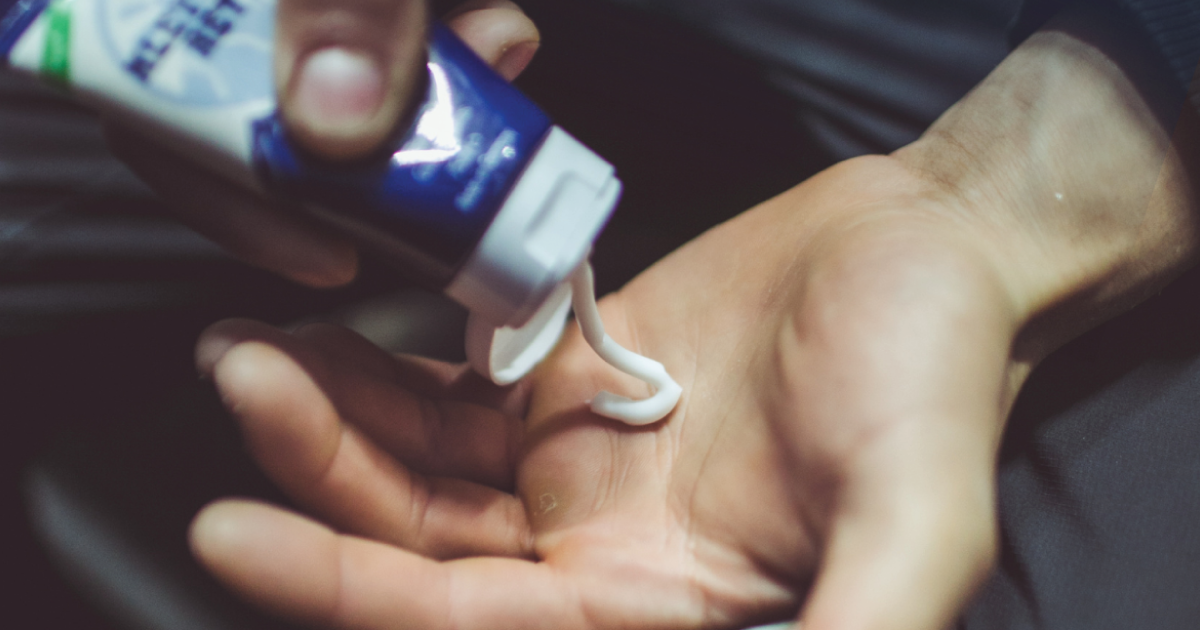
Most climbers train finger strength, technique or endurance. But almost nobody trains their skin. And yet, it’s often the real limiting factor.
You’ve probably felt it: you’re strong, you’ve got the move, and then you just slip. Or you have a great session, and the next day your skin is completely wrecked. That’s not random. It’s because your skin isn’t aligned with what you’re asking it to do.
Not all skin is the same
In climbing, there’s no “good” or “bad” skin. There are different skin types, and each one needs a different strategy. If you try to fix everything the same way, more chalk, more cream, less filing, you’ll hit a ceiling sooner or later.
The 4 skin types in climbing
In practice, most climbers fall into one of four categories:
Skin type
Characteristics
The real issue
Why the wrong strategy holds you back
Most climbers treat symptoms, not causes.
- Dry skin → more chalk
- Sweaty skin → no base layer
- Hard skin → ignored until it tears
The result: you end up working against your skin instead of with it.
Once you understand your skin type, things click. You understand why you slip, why your skin tears, why some sessions just don’t work, and most importantly, what to change.
That’s why we built the skin test
Because most climbers guess wrong.
The test is simple:
- 4 questions
- under 30 seconds
- clear result
You’ll get:
- your skin type
- a clear care strategy
- a chalk strategy that actually works
- a product set tailored to your skin
Find your skin type now
If you want to understand what your skin really needs:
Get your skin right, and everything changes. Fewer flappers, less slipping, fewer setbacks, more consistency. Or simply put, your skin stops holding you back.
Every hand tells a story.
The only question is: is your skin holding you back, or pushing you forward?

